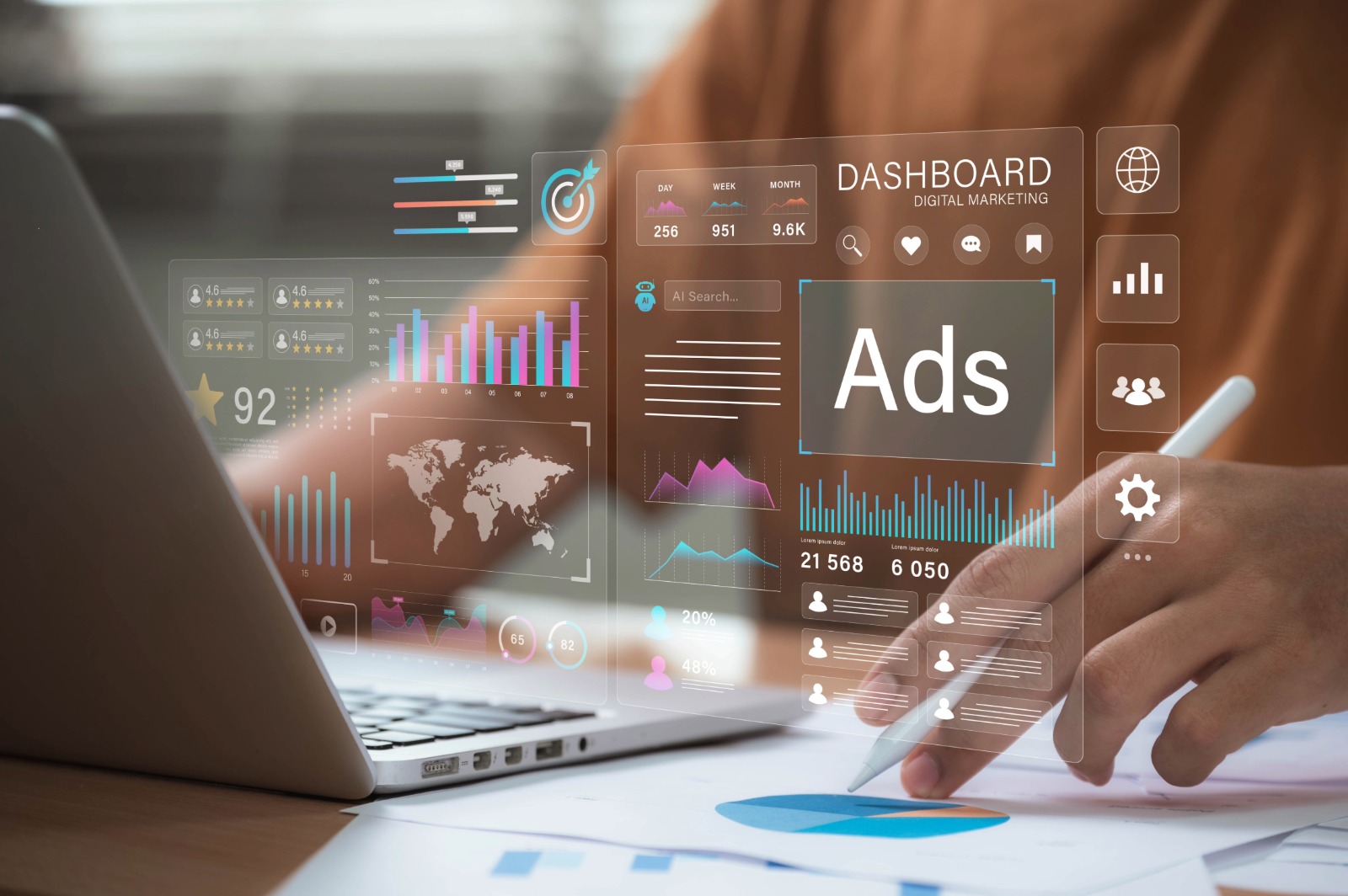
The digital advertising landscape has undergone a massive transformation. Privacy changes, platform algorithm updates, and increased competition have made traditional performance marketing tactics less effective.
But some brands are thriving. Here's what they're doing differently.
The New Performance Marketing Playbook
1. First-Party Data is King
With third-party cookies disappearing, successful brands are building robust first-party data strategies. This means:
- Investing in email list growth
- Creating valuable gated content
- Building community platforms
- Implementing proper analytics tracking
The brands winning in 2025 aren't just collecting data; they're building genuine relationships with their audience that create long-term value beyond any single transaction.
2. Creative is the New Targeting
As targeting capabilities diminish, creative quality becomes the primary driver of performance. Brands that win are producing more creative variants, testing relentlessly, and iterating based on data.
"In 2025, your creative is your targeting. The message itself attracts the right audience more effectively than any demographic selector."
This shift requires a fundamental change in how marketing teams operate. Instead of setting targeting parameters and running the same ad for weeks, successful teams are:
- Producing 5-10x more creative variants
- Testing new concepts weekly
- Analyzing creative performance as rigorously as audience performance
- Building in-house creative production capabilities
3. Full-Funnel Thinking
The days of focusing solely on bottom-funnel conversion ads are over. Successful performance marketing now requires a full-funnel approach that balances brand awareness with direct response.
This doesn't mean abandoning performance metrics. It means understanding that awareness campaigns drive conversion campaign performance, and optimizing the entire funnel as a system rather than individual channels in isolation.
Platform-Specific Strategies
Each platform requires a tailored approach in 2025. Meta rewards video content and authentic storytelling. Google emphasizes search intent and landing page experience. LinkedIn favors thought leadership and value-driven content.
The brands seeing the best results aren't using a one-size-fits-all strategy. They're adapting their approach to each platform's unique algorithm and user behavior, while maintaining consistent brand messaging across all touchpoints.
Measuring What Matters
Perhaps the biggest shift in performance marketing is how we measure success. Attribution is messier than ever, which means marketers need to look beyond last-click attribution and consider the full customer journey.
Smart brands are implementing:
- Multi-touch attribution models
- Incrementality testing
- Brand lift studies
- Customer cohort analysis
The goal isn't perfect attribution; it's understanding what's actually driving growth and doubling down on those activities.
Looking Ahead
Performance marketing in 2025 requires more sophistication than ever before. But for brands willing to adapt, the opportunities are significant. The disappearance of easy targeting has leveled the playing field, rewarding creativity and strategic thinking over budget size.
Ready to update your performance marketing strategy? Let's discuss how Marquet Studio can help you navigate the changing landscape and drive real ROI.
Ready to optimize your campaigns?
Let's discuss how we can help you drive measurable growth.
Start a Conversation →